Emergency control lives or passes away on practices constructed prior to the alarm seems. The devices PUAFER005 and PUAFER006 rest at the heart of those routines. PUAFER005 operate as part of an emergency control organisation has to do with being a reputable warden under pressure. PUAFER006 lead an emergency control organisation extends that to leading as chief warden or deputy, coordinating groups and making time-critical choices while handling insufficient details. I have enjoyed both prosper and fall short inside offices, storage facilities, health centers, and mixed-use sites. Patterns emerge. The most effective outcomes originate from basic systems practiced well and used without fuss.
This article threads sensible lessons via genuine scenarios, focusing on how a warden group applies PUAFER005 on the floor and how a chief warden utilizes PUAFER006 to coordinate the whole building. Along the road, I deal with usual inquiries about fire warden training requirements, hat and safety helmet colours, and how to develop a fire warden course or chief warden course that creates judgment, not simply theory.
What operating as component of an ECO appears like in practice
The emergency situation control organisation, or ECO, is not a board. It is a framework that turns complication right into activity within the very first 5 minutes. Under PUAFER005, wardens learn to sweep, record, communicate, help people at risk, and intensify issues without blocking the radio. They do not dispute technique in the passage. They carry out, after that report upwards.
On an uncomplicated level, a floor warden's rhythm is predictable. A smoke detector causes, wardens prepare to move, they examine their designated area, they close doors, they assist passengers to departures, they handle individuals with specials needs or injuries, they report "location clear" to the chief warden, then they account for people at the assembly location. The worth lies in how constantly that takes place when actual variables appear: a secured door, a panicked visitor, or a printer room that scents hot but shows no visible flame. The training develops muscle mass memory for those moments.
A chief warden using PUAFER006 is coordinating with an eye on the whole threat picture. They verify the alarm type, liaise with the control area or panel, interact with wardens, select partial or complete discharge, and interface with fire solutions. They have to be comfortable with uncertainty. A great chief warden approves that they will hardly ever have ideal details prior to committing to an action.
The colour question: hats, helmets, and identification
In several organisations, hat or safety helmet colours assist determine roles swiftly. While techniques vary by territory and organization, one of the most usual pattern I see on websites that run strong fire warden training is this:
- Chief warden hat or safety helmet: white Deputy chief warden hat or headgear: white with a stripe or tag Area or flooring warden hat or safety helmet: yellow Communications warden: red or in some cases blue, depending on website conventions
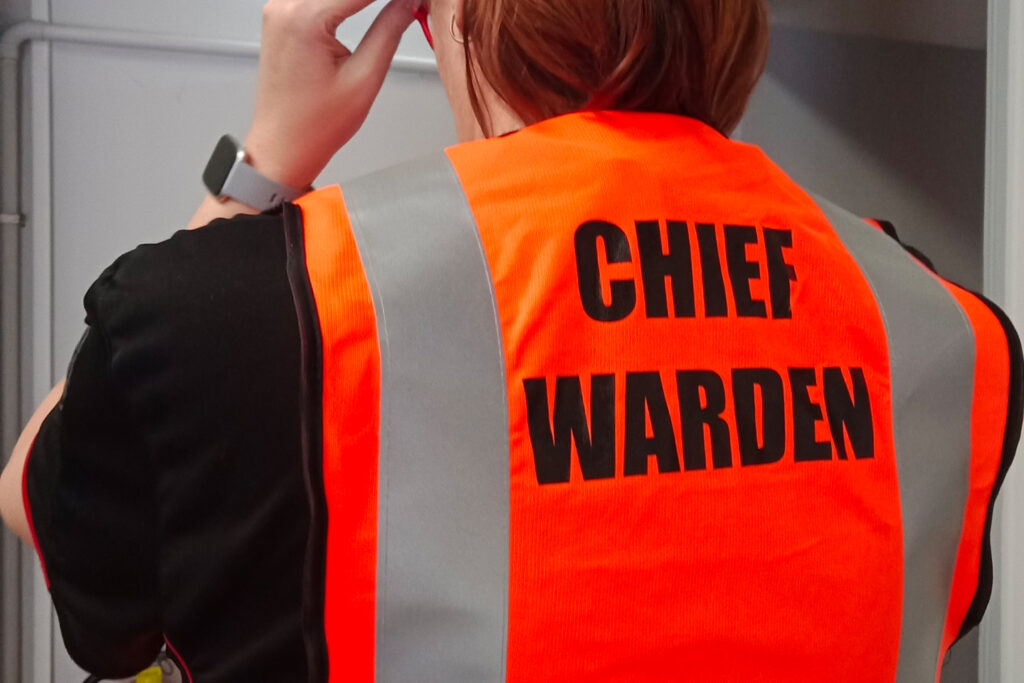
The question what colour helmet does a chief warden wear frequently arrive at my desk after a drill subjects confusion. If your website uses various colours, document it plainly in your emergency strategy and consist of pictures in induction products. The most effective system is the one your people can recall under stress. Hats are only a tool, however. If batteries pass away and lights fall short, voices, radios, and basic commands bring even more weight than any chief warden hat colour.
A retail centre evacuation that pivoted on a small decision
A multi-level retail centre ran a drill that substitute an oil fire at a food court vendor. The ECO consisted of a chief warden at the control area and a dozen wardens distributed throughout levels. The chief warden, learnt PUAFER006 lead an emergency control organisation, chose an organized emptying: clear the affected level initially, after that the levels connected by escalators that create chimney effects.
Two little options paid off. Initially, the chief fire warden appointed one warden whose just work was to regulate escalator circulation at the axis to stop backwash of people. Second, communications maintained to a single channel with brief, organized records. Wardens utilized area, standing, and need in one sentence: "Degree 2 east vacating, food court fifty percent removed, demand 2 wardens for mobility support at lift financial institution." This mirrors the radio technique showed in both the PUAFER005 course and the chief fire warden training.
A year later on, a real fryer fire occurred. The sprinkler controlled it, yet smoke migrated swiftly. The exact same presented strategy with limited comms maintained complication low. By the time fire services arrived, the chief warden had a clear headcount and might brief them with maps noted in pen. You just get that self-control when floor wardens know their lane and the chief warden takes prompt decisions without waiting on perfect confirmation.
Office tower case study: the stubborn re-entry
The hardest component of emptying is often not obtaining individuals out, but keeping them out up until it's secure. In a 22-storey workplace tower, the ECO carried out a complete evacuation after a detector mistake in a riser caused repeated alarms. During the second reset, a team attempted to return to with coffees in hand, arguing that it was "obviously a dud." A floor warden, fresh from emergency warden training, stood at the door and provided a calm, duplicated line: "No re-entry authorized. Await instruction from the chief warden." She radioed the tried re-entry and asked for protection support, precisely as drilled.
That line appears unimportant. Under pressure, it takes nerve to hold it. PUAFER005 stresses complying with the pecking order and holding safety obstacles. The chief warden, paying attention, chose to continue to be left and asked for a technician to validate the riser fix before permitting anyone back. Ten minutes later, the technician located recurring contamination in the detector head. The hold-up likely protected against a yo-yo evacuation, which is where complacency types injuries on stairways. A small piece of self-control made the difference.
Manufacturing plant: partial emptying versus complete shutdown
In a light manufacturing site, a driver scented solvent near a blending station. The ECO had previously drilled for full shutdown on any type of chemical scent, which stopped production for an hour each time and expense significant output. The chief emergency warden wanted to fine-tune the method based upon PUAFER006 principles: match the control to the danger, and make use of compartmentation.
They pre-planned zones and mounted smoke doors that might be closed from another location. Throughout the next event, wardens isolated the impacted bay, turned on removal, and left only 2 nearby bays while keeping a warm area perimeter. The chief warden responsibilities included ensuring no ignition resources near the bay, notifying the fire brigade, and obtaining air monitoring done before re-entry. Losses shrank, and trust in the system boosted since it really felt proportional.

The lesson has to do with subtlety. Fire warden requirements in the workplace are not nearly relocating bodies to the parking lot. They also consist of regulating threats and making the website safe to return to job. A good warden course includes situations where partial discharges are the ideal phone call, with clear standards and pre-authorised triggers.
Healthcare: very same systems, greater stakes
Hospitals and aged care facilities can not constantly evacuate completely. Straight discharges, defend-in-place strategies, and location of haven concepts control. Emergency warden training in these settings teaches wardens to compartmentalise with smoke doors, to prioritise reliant occupants, and to utilize local oxygen shutoffs. Radios compete with clinical alarm systems, so interaction procedures require trimming.
In one aged care site, a linen room fire filled a passage with smoke at 2 a.m. The overnight chief fire warden, a professional manager with PUAFER006 course training, routed staff to move homeowners behind two sets of smoke doors, pulled extra masks from the crash trolley for staff working in the great smoky section, and made use of a pre-coded expression to guarantee the nurse-in-charge might keep drug rounds entering a secure location. Fire services showed up within mins. The chief fire warden duties were not heroic, they were systematic. Locals never saw fires, however they chief fire warden course felt calmer since staff looked purposeful.
For medical care, the chief fire warden requirements include understanding when to keep individuals in their areas, exactly how to take care of oxygen-rich environments, and exactly how to communicate with external -responders that might not know your layout. A chief warden course developed for medical care will certainly put extra emphasis on smoke control and individual movement help rather than stairwell flow.
Training that sticks: making drills with purpose
The distinction in between a box-ticking fire warden course and one that in fact prepares individuals is the design of scenarios. PUAFER005 training need to include obstacles: a missing trick, an individual declining to leave, a person that needs support down stairways, a jammed door, a lift out of service. The point is to make wardens use concepts, not remember scripts.
I like to rotate roles. Let a tranquil individual play the difficult passenger when. It gets everyone made use of to hearing "I'm not going," and trying 3 feedbacks before escalating. In my experience, the most effective wording is considerate and firm: "I recognize. It's not optional. We leave currently and I will walk with you." If you compel a power struggle, you slow down the entire stream.
For PUAFER006 lead an emergency control organisation, drills must emphasize choice factors. Trigger a second alarm system on a different floor and see whether the chief warden requires complete evacuation or holds the partial plan while sending out two wardens to explore. Present a radio failing and see just how the group switches to joggers or a secondary channel. These stress factors make the real event really feel manageable.
Fire warden training needs and frequency
Legal requirements differ by jurisdiction, however common ideal method runs like this: site-specific ECO training at induction, refresher fire warden training at least annually, and functional discharge drills at the very least once or twice annually. High-risk occupancies typically drill extra often. New layouts, new lessees, or significant tools changes need to trigger an added drill, not just a memo.
Emergency warden course web content must cover alarm system kinds, panel basics, duty duties, devices location, emptying routes, areas of sanctuary, persons in jeopardy strategies, and radio methods. The warden course should end with a go through the website holding the radio and touching the doors you prepare to use. If individuals leave with only a certificate and no muscle memory, the training course missed the point.
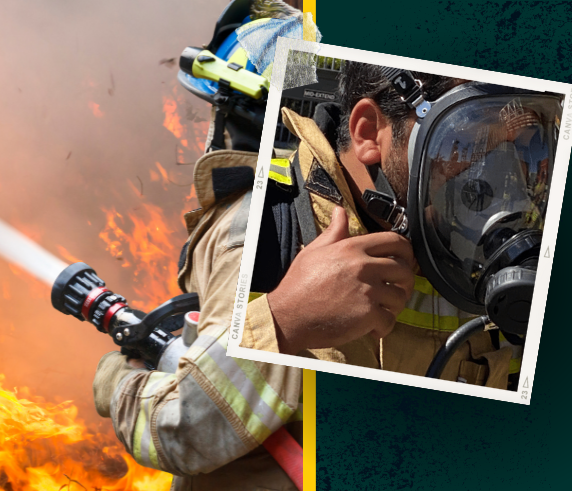
Chief warden training goes additionally. A strong chief fire warden course includes panel procedure specifics, strategy analysis, organized discharge strategy, pressurised stairwell monitoring, intermediary with fire services, and post-incident healing. It needs to use your actual fire indicator panel and imitate your structure's layouts, not a common classroom slide deck. Whenever possible, include a joint session with protection or facilities so the chief warden responsibilities line up with gain access to control and plant shutdown.
Communication under stress and anxiety: the three-part report
Most ECOs have a hard time not with activity, yet with network congestion. The PUAFER005 course frequently teaches a basic coverage framework that works throughout markets: location, condition, need. Short beats long. After brushing up, a warden could say, "Level 10 southern, clear to stairs B, helping one mobility-impaired to sanctuary, need an extra warden at lift lobby."
In comparison, flexible babble eliminates situational recognition. The chief warden's work is to model brevity, stay with names or phone call indicators, and sum up every few minutes. If the team uses a log runner, have them duplicate key realities back on the radio to maintain everyone aligned. At the assembly location, roll phone calls must be revealed by exceptions, not full listings: "Waiting on 3 from Legal, anticipated with Warden Green."
Visitors, professionals, and after-hours realities
Emergency warden training often tends to concentrate on employees, but an unexpected quantity of rubbing originates from visitors and professionals. Excellent method begins with induction. At front workdesks, hand out a basic card that shows the setting up area and the expression "Comply with the warden's directions." For contractors, include isolation and hot work procedures in warden training. Nothing ruins an organized evacuation like an unattended warm work ember.
After-hours, the ECO might be a skeletal system staff. The chief warden requirements should consist of a lean prepare for times when just one or two wardens are on website. In a logistics storehouse that I support, the graveyard shift usually has a single supervisor as chief warden and two area wardens. They count on horns and lanterns greater than hats, and practice a direct sweep that prioritises the racking aisles Look at more info more than likely to conceal individuals. In between 2 a.m. and 4 a.m., the evacuation course modifications due to the fact that the lawn gateways lock in a different way for protection. These tiny details get missed unless the drill is timed to the reality.
Evacuation of persons with impairments or injuries
Plans that work for everyone job better for any person. Under PUAFER005, wardens should understand the names and recommended aid methods for regular owners who require help. The plan must identify locations of sanctuary near stairs, have a pal system, and include evacuation chairs where appropriate. In many structures, using lifts is forbidden during a fire alarm unless they are fire-isolated emptying raises under proficient control. That is an information the chief warden ought to clarify throughout training and local procedures.
An usual side situation is a person on props that urges they can manage stairs. The warden's judgment matters. The concern is security and circulation. If the person's speed will significantly slow down the stairwell, move to a haven and wait with a warden, then coordinate with fire solutions upon arrival. A 2nd side situation is an individual with a hearing problems who may miss alarm system tones. Aesthetic strobes and direct wardenship address that, however just if the move includes a quick aesthetic check of shut offices.
False alarm systems that aren't harmless
Complacency is the most harmful adverse effects of regular false alarms. Beyond the lost time, duplicated nuisance alarm systems educate individuals to wait. A property I worked with had seven duds in 6 months as a result of toaster oven smoke in a kitchen space. Without treatment, the next actual alarm system would find individuals delaying to send another email.
The fix was easy. The chief warden responsibilities expanded to consist of a regular monthly nuisance alarm testimonial with facilities. The group relocated the toaster to a much better aerated area, set up a local warmth detector with a different limit, and put up an indication with a timer reminder. Duds went down to near absolutely no, and pierce involvement increased. No elegant innovation, just attention.
Post-incident debriefs that lead to change
After every drill or incident, run a structured debrief. Begin with facts, then observations, after that changes. Prevent blame. A good debrief answers: what surprised us, what slowed us, what functioned well enough to keep, and what have to alter before following time. If radios crackled on level 8, obtain a radio sign in that stairwell the next day and log it. If the assembly area encountered a building website, pick a second setting up area and print it on the next round of induction cards.
Chief fire warden obligations consist of shutting the loophole. People tolerate drills better when they see end results. Share brief updates, like "new tactile signage installed on Stairway B," or "wardens currently bring spare lanterns." These details build a society where the ECO really feels appropriate, not ceremonial.
Common challenges and just how to stop them
The exact same issues repeat across industries. Radios left on desks. Wardens that never ever wear their vests. Setting up areas that are too little. Stairwell traffic jams caused by people quiting to check phones. Every one of these can be addressed by design and a dashboard of persistence.
A frequent training void is that people think the chief warden is the only decision maker. In truth, location wardens under PUAFER005 authority need to exercise effort. If your local sweep reveals a dangerous leakage, do not wait for a radio reply prior to clearing your area. Report while moving. On the other hand, chiefs have to delegate early, not micromanage over the air.
Another space is between knowledge and reach. I usually ask people to point to the nearest fire extinguisher and then discuss when not to utilize it. Several are reluctant. Practical demos issue. A five-minute extinguisher technique on a training gear, once a year, returns dividends when a little container fire breaks out and a warden knocks it down without drama.
Choosing the right training course company and content
Labels like puafer005 course and puafer006 course appear usually in marketing. Look past the tag. Ask whether the provider develops scenarios on your layout, whether their instructors have run as wardens in genuine events, and whether the course includes hands-on components. Excellent carriers will fine-tune web content for your website's threats, whether that is high-rise, health care, education, production, or retail.
For a balanced program, I search for a mix: PUAFER005 for most wardens, PUAFER006 for chief and deputy roles, plus refreshers that revolve via difficult subjects like after-hours feedback, special needs emptying, and partial discharges. If your site has a heavy site visitor lots, consist of front-of-house staff in a reduced emergency warden course that instructs communication and group flow.
Practical quick-reference for wardens and chiefs
- For wardens: discover your zone, walk your courses monthly, practice the three-part radio record, and maintain your vest and torch accessible. For chiefs: rehearse presented versus full evacuations, know your panel and stairwell pressurisation, and practice instructions to fire services making use of simple language and maps.
These practices, repeated, turn training into competence.
The larger photo: developing a society that responds smoothly
PUAFER005 and PUAFER006 installed a society where individuals respect alarms and know what to do. In my experience, websites that run 2 strong drills annually, debrief them truthfully, fix tiny concerns promptly, and rejuvenate training on time hardly ever experience chaotic evacuations. Fires, leakages, and alarms still happen. The difference is visible calm in the first 5 mins. Wardens move with purpose. Chiefs decide, then adjust. Residents rely on the system since they have seen it work.
Whether you are picking a fire warden course for a new ECO, revitalizing chief warden training for a growing campus, or clarifying fire warden requirements in the workplace after an unpleasant drill, the path coincides. Maintain the plan basic. Train with rubbing. Communicate cleanly. Evaluation and enhance. The hat colours help in a crowd, but judgment, method, and clear duties do the hefty lifting.
Take your leadership in workplace safety to the next level with the nationally recognised PUAFER006 Chief Warden Training. Designed for Chief and Deputy Fire Wardens, this face-to-face 3-hour course teaches critical skills: coordinating evacuations, leading a warden team, making decisions under pressure, and liaising with emergency services. Course cost is generally AUD $130 per person for public sessions. Held in multiple locations including Brisbane CBD (Queen Street), North Hobart, Adelaide, and more across Queensland such as Gold Coast, Sunshine Coast, Toowoomba, Cairns, Ipswich, Logan, Chermside, etc.
If you’ve been appointed as a Chief or Deputy Fire Warden at your workplace, the PUAFER006 – Chief Warden Training is designed to give you the confidence and skills to take charge when it matters most. This nationally accredited course goes beyond the basics of emergency response, teaching you how to coordinate evacuations, lead and direct your warden team, make quick decisions under pressure, and effectively communicate with emergency services. Delivered face-to-face in just 3 hours, the training is practical, engaging, and focused on real-world workplace scenarios. You’ll walk away knowing exactly what to do when an emergency unfolds—and you’ll receive your certificate the same day you complete the course. With training available across Australia—including Brisbane CBD (Queen Street), North Hobart, Adelaide, Gold Coast, Sunshine Coast, Toowoomba, Cairns, Ipswich, Logan, Chermside and more—it’s easy to find a location near you. At just $130 per person, this course is an affordable way to make sure your workplace is compliant with safety requirements while also giving you peace of mind that you can step up and lead when it counts.